Kaz Head
Storyboarding and Concept Design Portfolio
Storyboarding

S.S S.O.S
One Script, Three Genres
Hero's Journey
11 Script Excerpts Exercise
Concept Design

PIKO

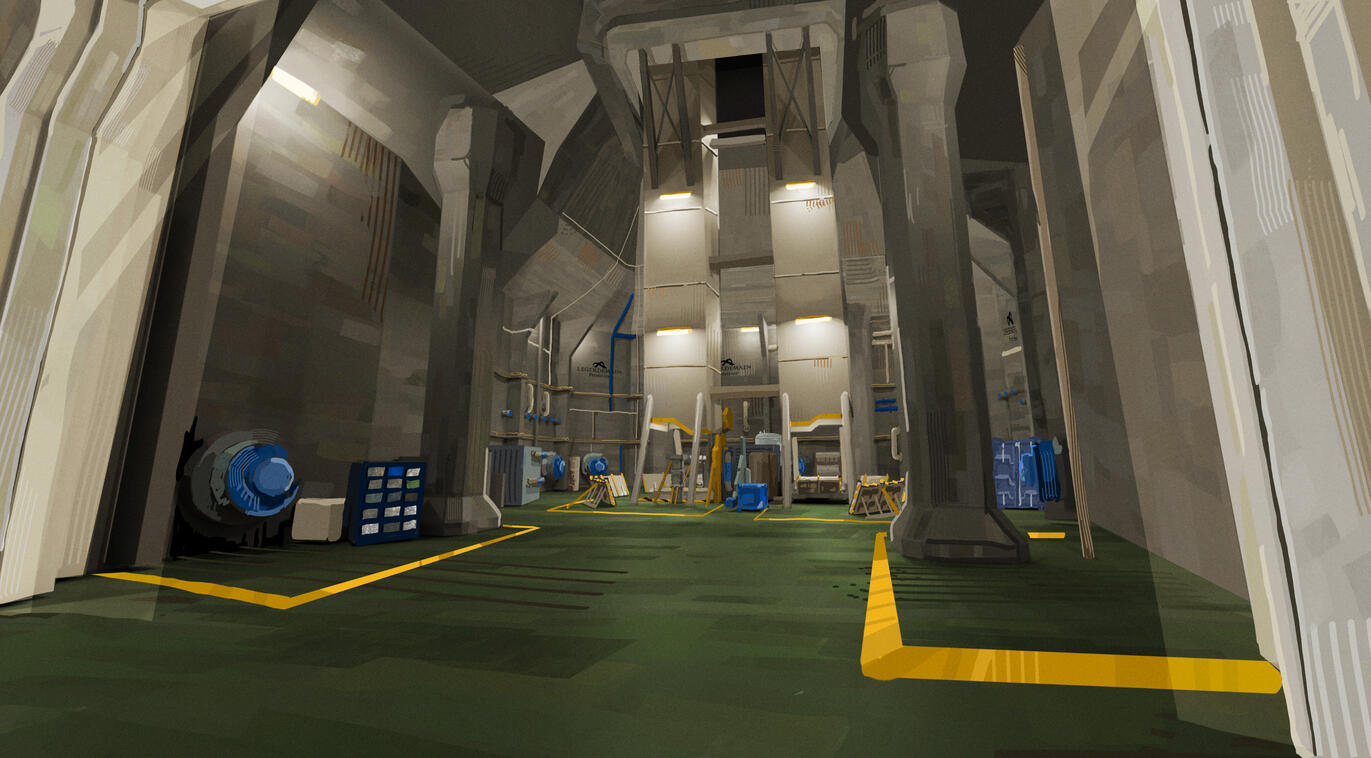
Mecha Warehouse

S.S S.O.S
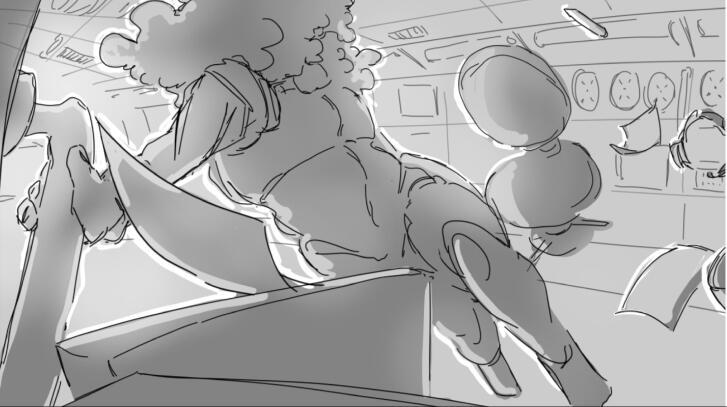
11 Script Excerpts
In this storyboarding drill, I had a few weeks to complete thumbnails and complete animatics for 11 short script segments. Through this exercise, I developed my script comprehension, challenged my ability to interpret the scriptwriter's intention without direct communication, and worked across a range of genres in short succsession.


About me
Kia ora! I’m Kaz, a storyboard and concept artist and graduand of Massey University's Bachelor of Design (Honours) programme. Originally from Christchurch, I enjoy taking advantage of my skills in pre-visualisation to sharpen, advance, and expand the stories I'm telling. In 2020, I received the industry-selected Ultimate Concept Artist Award from Massey University and Wētā Workshop for innovative design that transcended cultural boundaries. I have gone on to work in various roles on student animation and game projects, and as a storyboard artist on filmic projects, picking up an accidental specialisation in science fiction along the way.
One Script, Three Genres
In this storyboarding exercise, I was supplied with a few lines of script to interpret in three different genres. Each approach needed to communicate , through mood and camerawork alone, the genre it belonged to. By pushing me to differentiate each sequence with camera language and make them decipherable to a layman, this exercise expanded my mental shot library rapidly, helped me assess the impact of my visual choices on the audience's experience, and also gave me resilience to feedback and revisions.

Romance - thumbnails

Comedy - Thumbnails

Horror - Thumbnails


Romance - first pass

Comedy - first pass

Horror - first pass


Romance - edits

Comedy - edits

Horror - edits


Romance - final

Comedy - final

Horror - final


PIKO
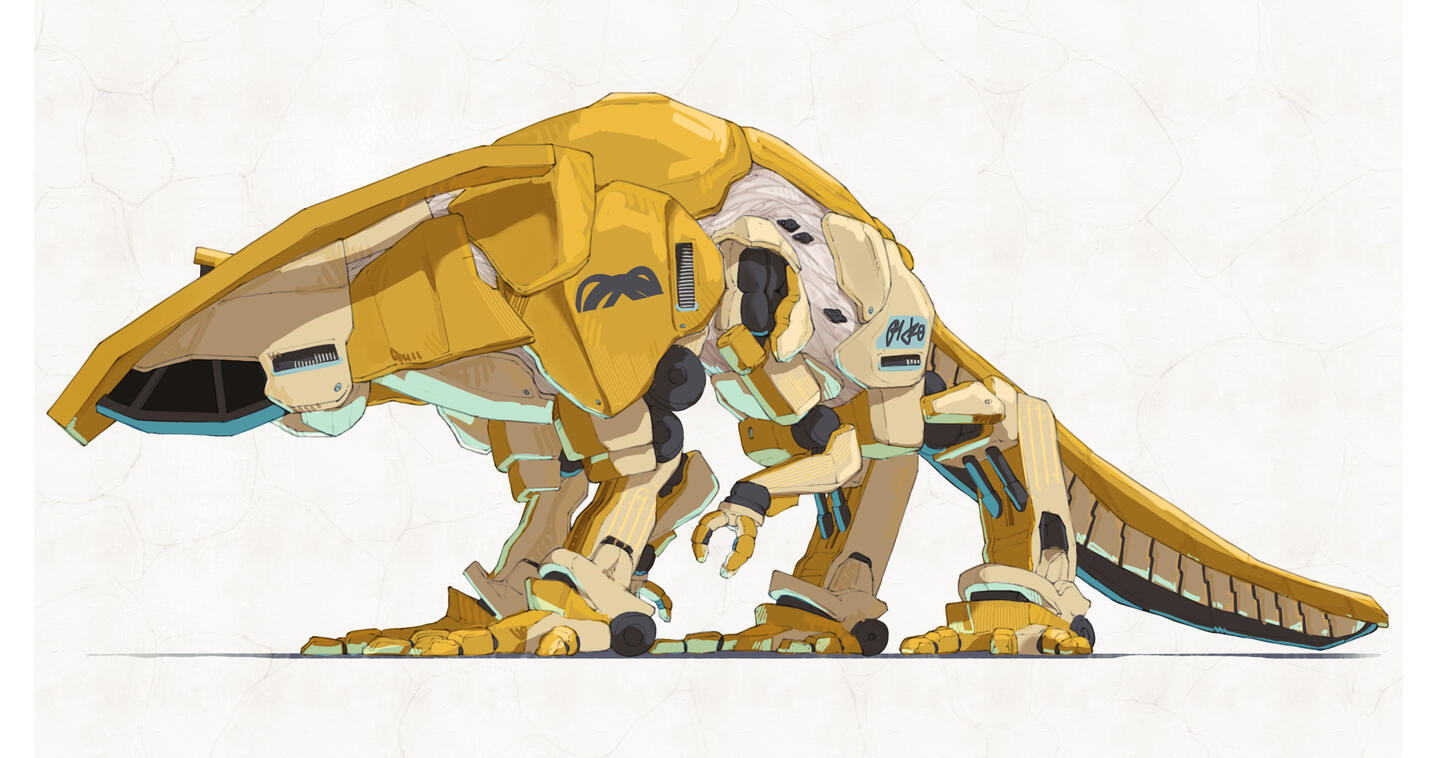
PIKO is a bio-mechanical animal-form mech designed for an original IP developed as a university project. It is a large, zoological mech intended for use in habitat construction and maintenance, transport of large species, and habitat patrol.

PIKO final render

PIKO turnaround

PIKO movement studies

PIKO cockpit

Pilot port interface ideation

Mech explorations 01

Mech explorations 02


S.S.S.O.S
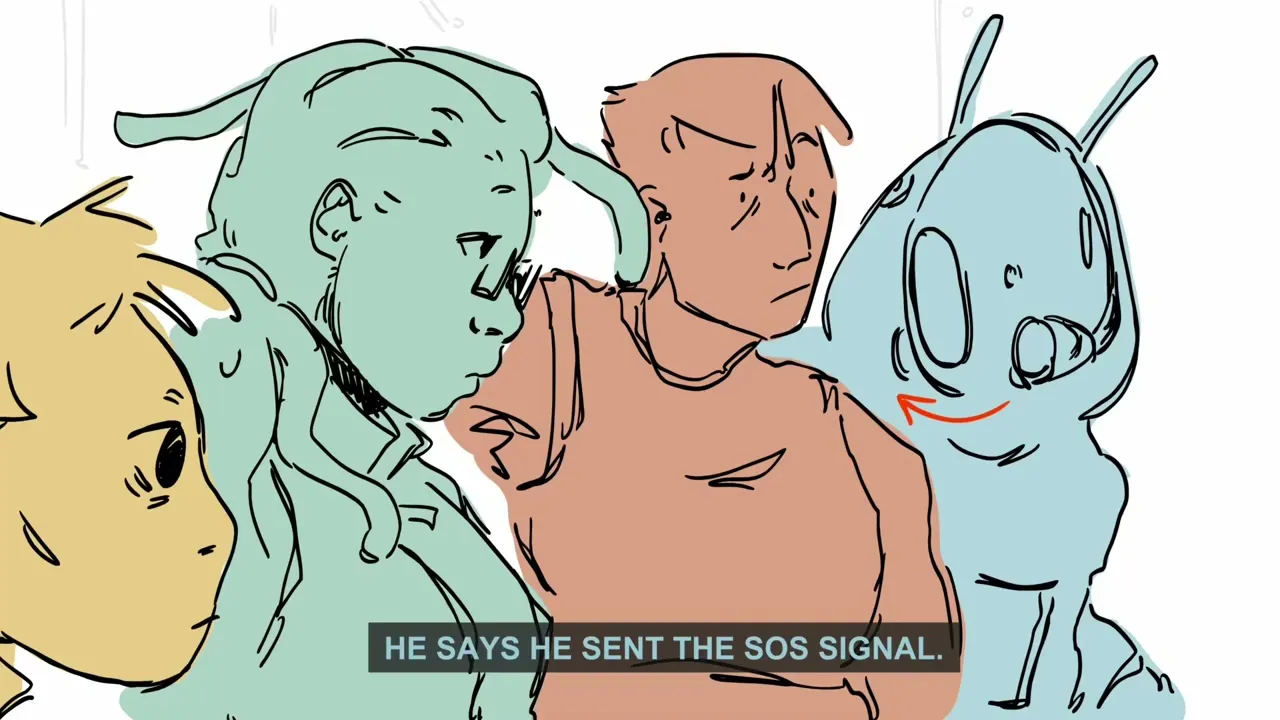
Complete 15-Minute Proof-of-Concept
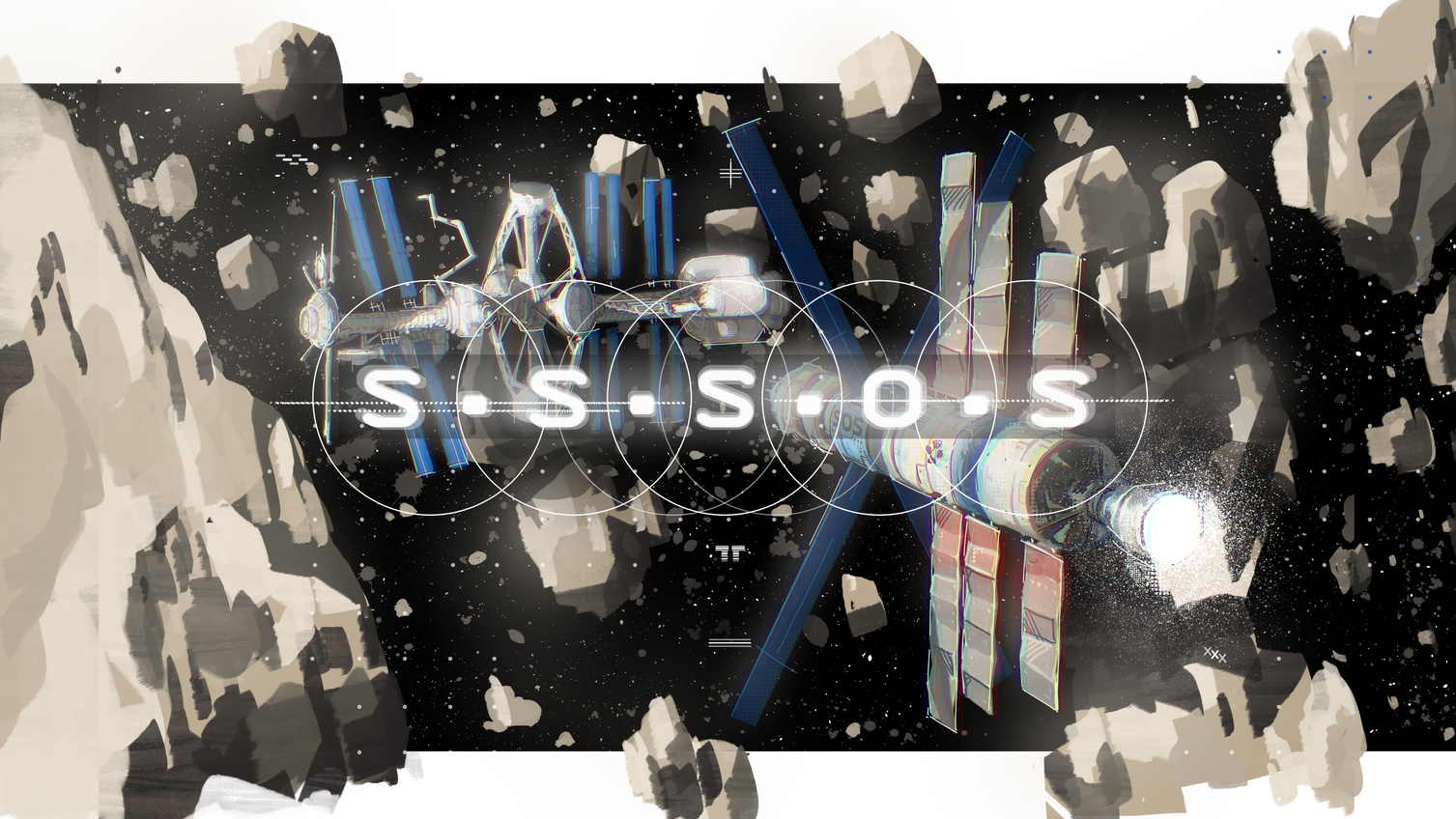
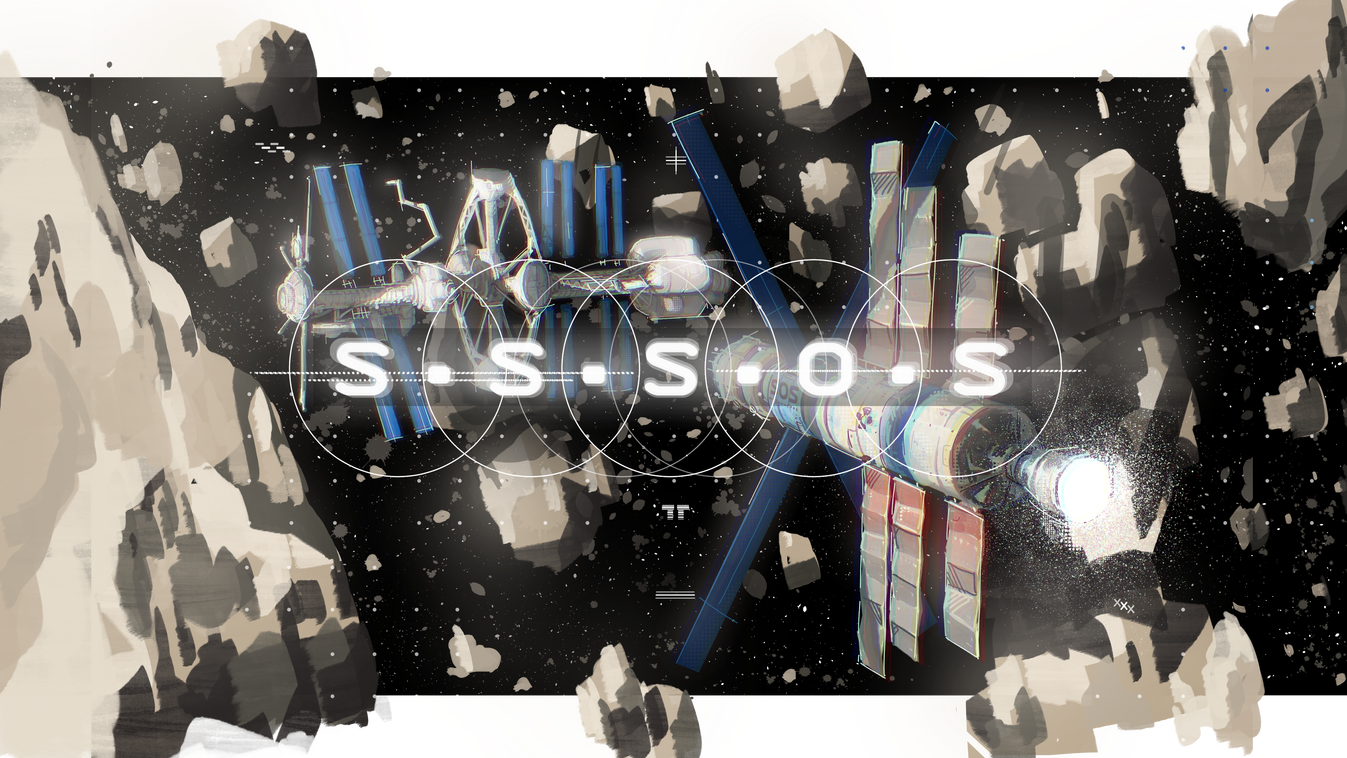
I created S.S S.O.S, an original science fiction IP, to explore how science fiction narratives can affect people’s thinking about the future and prompt them to create it in the present. I designed for, scripted, and boarded a proof-of-concept animatic to express my vision for the story.Science fiction is an effective vehicle for futures communications. Locating projected futures in a narrative format gives the audience a holistic, character-driven, immersive experience of that future. Stories are also very effective at shaping people’s thinking, especially when stories provoke hope and increase cognitive empathy - both being positively correlated with taking action on related beliefs. The inherently more immersive experience of film intensifies this effect. I chose storyboarding as a medium to take advantage of cinema’s powerful storytelling without having to compromise on the size of story as I would have had to do with animation or another more intensive form.This show would cultivate a core audience of people who like hard science fiction and ensemble casts, look for hope in the media they watch, and gravitate to this story for its non-human characters and representation of non-police emergency response.S.S S.O.S takes place in a parallel universe in which 5 species evolved to sapience alongside homo sapiens. In what we would estimate as the 22nd century, an independent exoplanetary rescue operation called the S.S S.O.S is put together in an effort to stop anyone in the considerable space-based workforce from slipping through the cracks, a mission that will come to include one another.The crew consists of five characters: Aarya, a homo sapien pilot and former astronaut, Kestrel, a candidus sapien computer scientist and the ship’s copilot, Eris, a homo sapien emergency physician and humanitarian doctor, NYMV, a robot tasked with more hazardous operations, and Ren, a corvus sapien social worker and polyglot who remains on their home space station to coordinate their missions.
Design and Development


I approached my design work with hard science fiction sensibilities, focusing on realism to increase audience buy-in and the believability of the storyworld so the ideas presented in the narrative are easier to absorb and believe in. The S.O.S, their ship, was based on real-world space tugs, and its interiors drew from real and speculative diagrams for modules like the Apollo. I designed the non-human sapient species based on criteria for sapience, the bodily changes it would evolve alongside, and species that are well-positioned to evolve in such a way.My process began with scripting, and reviewing my script with genre enthusiasts and writers to pick out the most effective plot beats, then taking a more finalised version of the script to a documentarian to cut it down and refine the written direction. I then used thumbnails to visualise the script and seek filmic feedback from storyboard artists and animators while working in a loose, easily scrapped medium. Finally, I produced the final boards for the animatic, focusing on refinement, readability, and final editing.
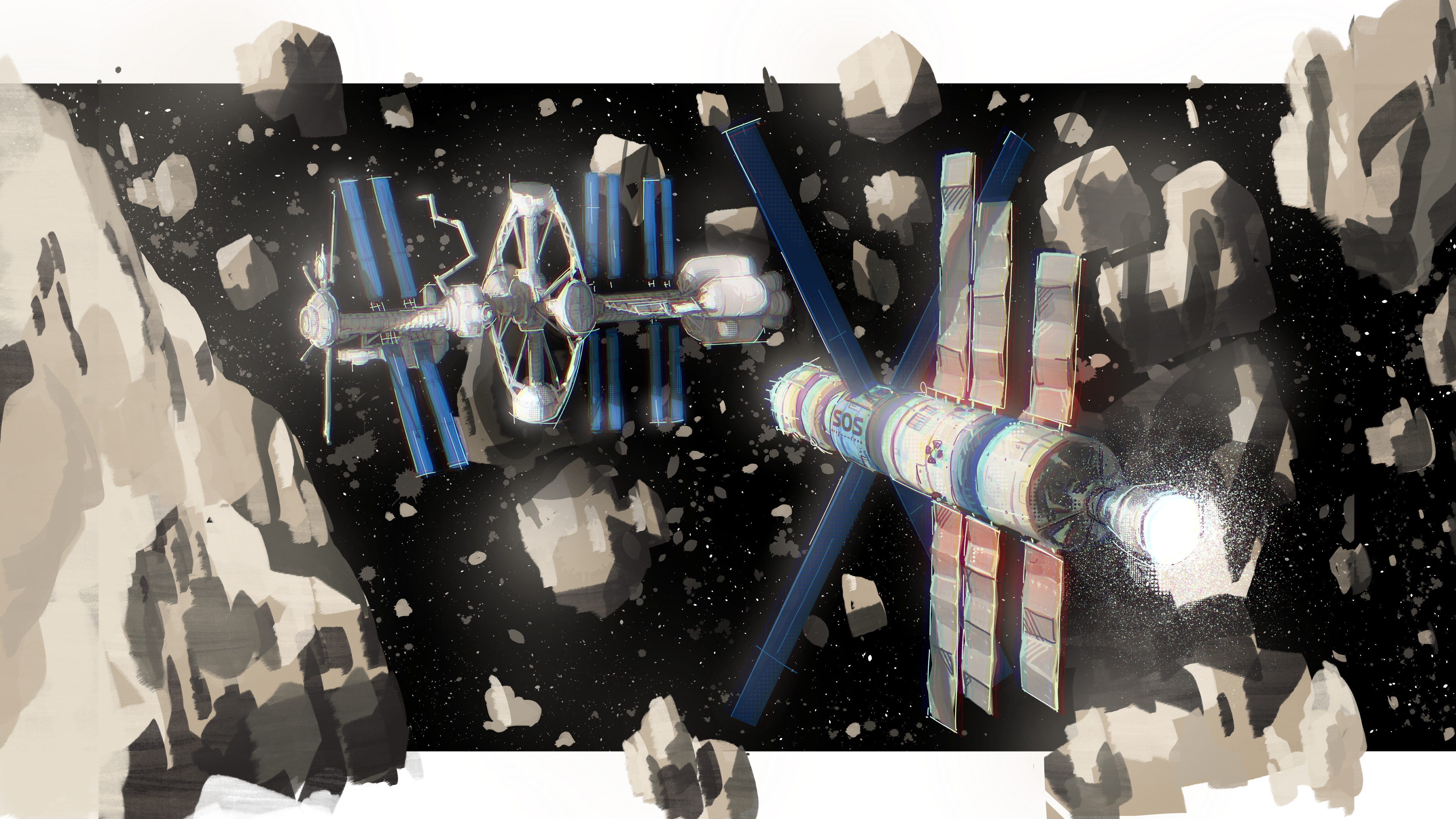

5-Minute Cut
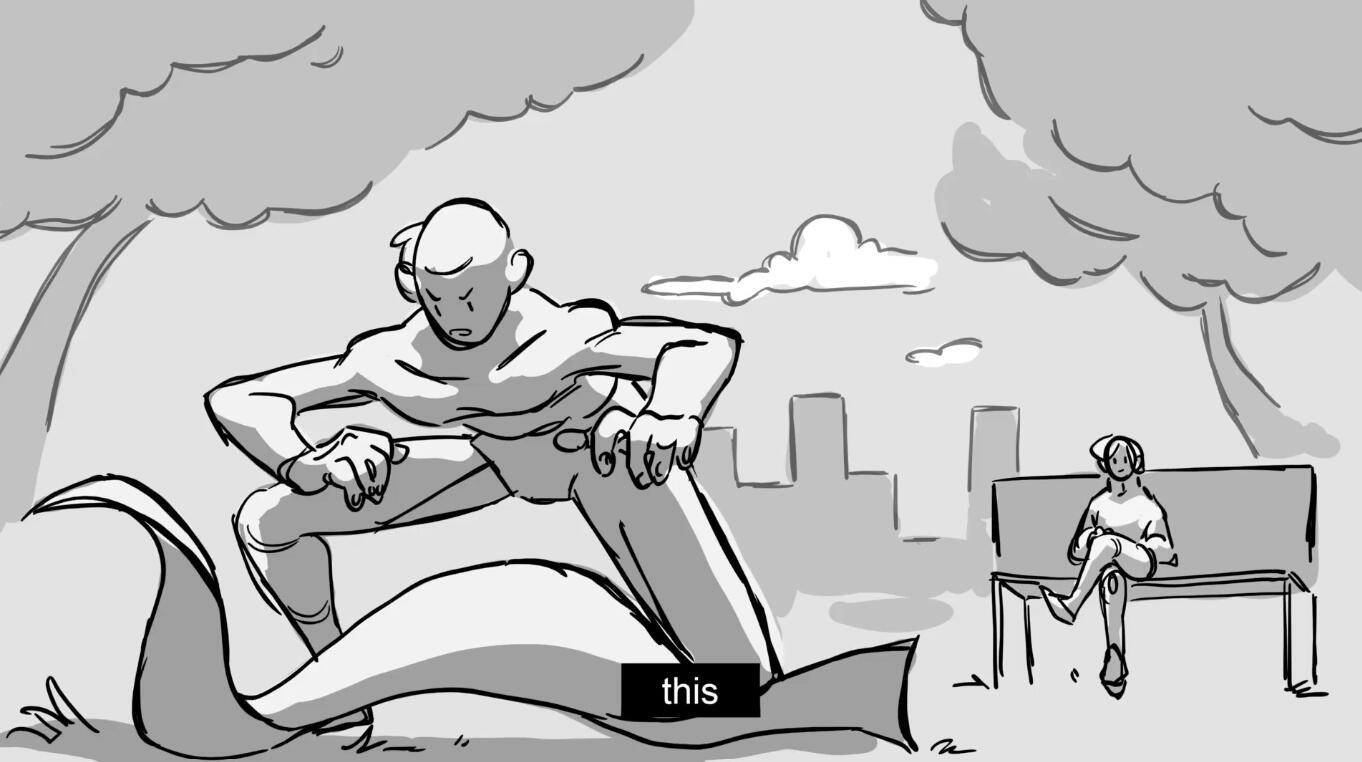
Hero's Journey
I boarded two scenes for this animated student short film while studying at Massey University. As the team had already established a strong visual style for the film, I was able to push myself to adopt the style in my boards, and develop my skills in more cartoonish styles. Working on Hero's Journey also situated me in a well-managed student pipeline, giving me great opportunities to polish my script interpretation, reception and action on feedback, and presentation of work.


Mecha Warehouse

Final Environment Render

3D Base

Detail Callouts

Front and Back Views

Camera Views in the 3D Model

Environment Explorations


